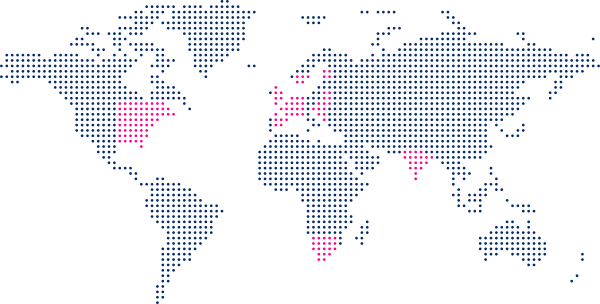
With 32 offices across 22 countries, we asked our teams to share their holiday traditions. From Bulgaria to New Delhi, their responses reveal a striking common thread: across cultures, winter is a season to create light, connection and energy through rituals, food and community.
Across the Alps and Rhine, French families, particularly in Alsace and Moselle, mark Advent with candles, bake traditional bredeles and visit Christmas markets that fill towns with light. The main celebration on 24 December revolves around a family meal and gift-giving, surrounded by illuminated streets and glowing lanterns. In Germany, Christmas markets transform cold town squares into warm communal spaces, where mulled wine, roasted almonds and music provide comfort and shared joy.
In Bulgaria, Christmas Eve begins with a vegetarian supper featuring symbolic dishes: grains for continuity, beans and nuts for health, honey for sweetness, and bread baked with a hidden coin for luck. The badnik, a ceremonial log, is burned for warmth and blessings, while children practise survakane, tapping adults with decorated cornel branches and reciting blessings. Before sunrise on Christmas Day, groups of Koledari sing ritual songs, and in some villages masked Kukeri dancers ring bells and leap through fire to chase away negative spirits and awaken new energy.

This year, Ukrainians are celebrating Christmas with Europe on 25th December rather than on the 7th January, a symbolic choice that reflects our shared values and cultural direction. Ukrainian New Year traditions remain deeply rooted. We place a Didukh, a sheaf of wheat symbolising our ancestors, near the festive table. Families prepare kutia, holubtsi and varenyky, and always leave a place for those who cannot come home. This year, many chairs remain empty because someone is defending Ukraine. We even joke that we have never been closer to our ancestors. While the world prepares fireworks and LED decorations, we mark the New Year with the most authentic “traditional lighting” – candles during blackouts. It is a dark joke, yes, but one born from resilience, not despair.
Traditions continue, even during power cuts, in shelters, and with unstable internet. Christmas follows the winter solstice, the longest night of the year, after which days begin to grow longer. Light always triumphs over darkness. Our ancestors celebrated this with rituals, carols, and warmth shared around the table. Today, we feel it anew: even when the city goes dark, a single candle can still illuminate the room, a reminder that darkness is temporary.
When one flame becomes the centre of the celebration, it shows what New Year truly means here: family, culture, and the enduring belief that even the longest night will end.
In Poland, the first star in the sky signals the start of Christmas Eve. Families share opłatek, exchange blessings, and sit down to twelve meatless dishes, leaving an empty place at the table as a gesture of hospitality and inclusion.
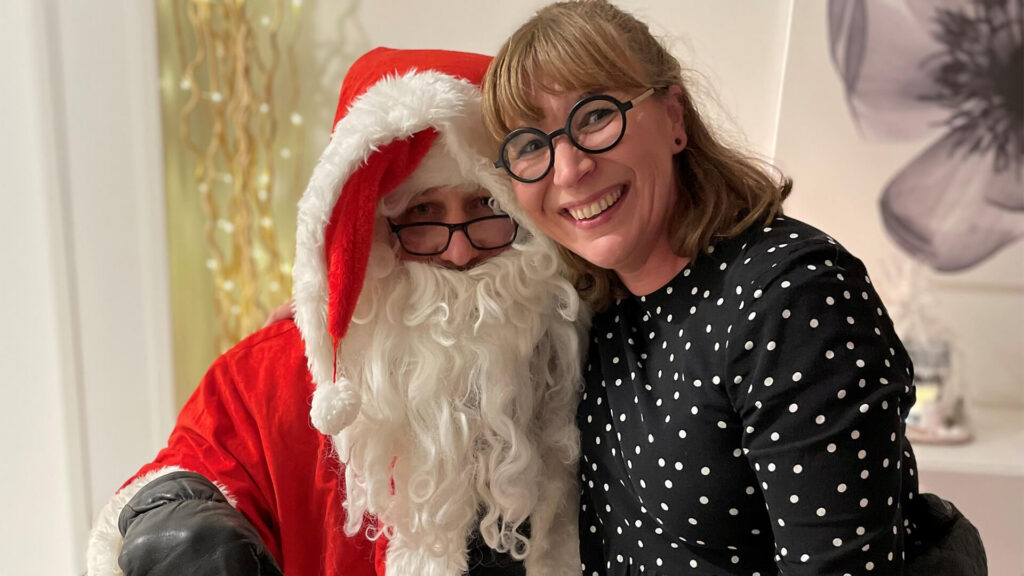
Further north, in Finland, the season is quieter and more reflective. Families gather at home, enjoy traditional foods passed down through generations, listen to melancholic Christmas music, and celebrate Santa Claus as a symbol of trust and goodwill. Saint Lucy’s Day also brings symbolic light during the polar night, highlighting the importance of hope and warmth.
In India, Christmas transcends religion, celebrated across states from Goa and Kerala to the North East and major cities. Midnight masses, family gatherings, festive street markets, bakeries overflowing with seasonal treats and shared meals turn the season into a nationwide celebration of togetherness.
In the United Kingdom, England balances ritual and humour. Christmas cards, table crackers and Stir-Up Sunday pudding-making combine tradition and shared silliness, while in Scotland Hogmanay is a full-scale celebration of fire, music and community. Torchlight processions, shortbread exchanges and even the Loony Dook, a New Year’s Day plunge into the freezing sea, show a unique blend of bravery, camaraderie and festive spirit.
In Lithuania, Advent is a time of reflection and anticipation. Families light one candle each Sunday, and Christmas Eve, Kūčios, remains the season’s most significant celebration, marked by a symbolic dinner, shared blessings and family connection.
Finally, in the Netherlands, December begins with Sinterklaas on 5 December, a children’s festival featuring gifts, sweets such as pepernoten and chocolate letters, and playful poems. Christmas itself is centred on family, candlelight and multi-course meals, often accompanied by handmade ‘surprises’ that emphasise thoughtfulness over extravagance.
Across these diverse traditions, some themes are universal. Light is used to dispel darkness, food carries symbolic meaning, movement and ritual release energy, and inclusion is actively practised through gestures such as empty chairs, door-to-door visits and shared celebrations. Winter, rather than a season to endure, becomes a period organised around ritual, community and continuity.
Friisberg’s teams show that even in the coldest, darkest months, connection, creativity and care can turn tradition into energy, and shared experience into resilience.

You need to load content from hCaptcha to submit the form. Please note that doing so will share data with third-party providers.
More InformationYou need to load content from reCAPTCHA to submit the form. Please note that doing so will share data with third-party providers.
More InformationYou need to load content from reCAPTCHA to submit the form. Please note that doing so will share data with third-party providers.
More InformationYou need to load content from reCAPTCHA to submit the form. Please note that doing so will share data with third-party providers.
More InformationYou need to load content from Turnstile to submit the form. Please note that doing so will share data with third-party providers.
More Information