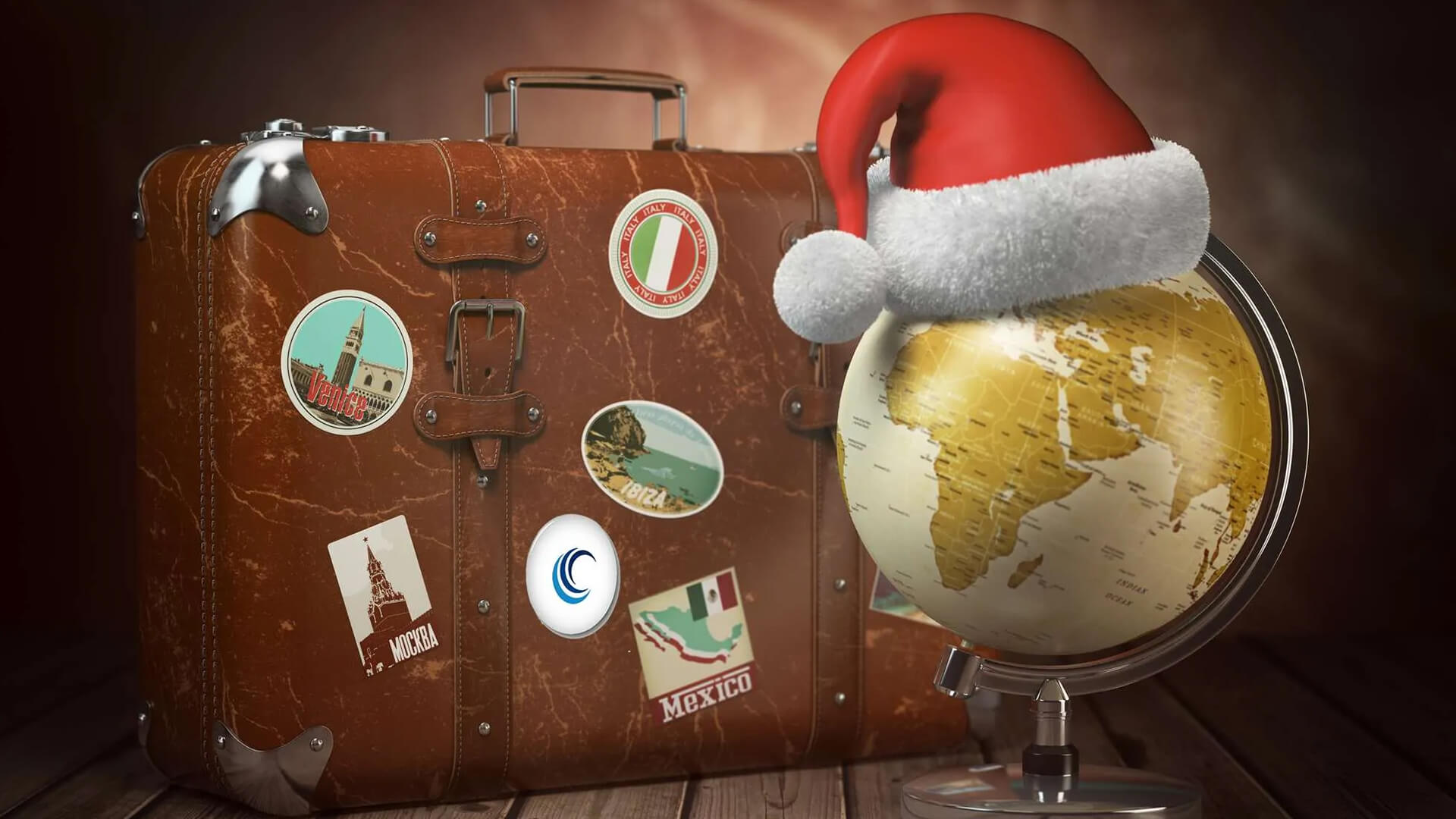
The holiday season is a time when cultures shine brightest, revealing the rituals, flavours, and customs that bring people together. At Friisberg, we are proud to have 32 offices across 22 countries. Each deeply rooted in local traditions and rich cultural heritage. This global presence gives us more than just geographic reach; it gives us local insight that brings meaningful value to our clients.
This year, we’re excited to launch the Friisberg Holiday Series, where we ask our colleagues around the world to share the traditions that make the season special in their countries. From festive foods and family rituals to symbols of hope, generosity, and togetherness, these stories offer a window into the diverse ways people celebrate this magical time of year. Hanna Kuntsi from our Finnish team even describes Santa as "The CEO of all our dreams!".
Just as Poland’s Christmas Eve traditions highlight hospitality, unity, and inclusion - setting an extra place for a stranger, sharing the opłatek wafer, and gathering around a table prepared with care - each of our offices brings unique customs that reflect the values at the heart of Friisberg: connection, empathy, and community.
Join us as we travel from country to country, discovering how our global teams celebrate the season and how these traditions inspire the way we work, lead, and collaborate.
We are starting the series with Nevena Nikolova Friisberg Partner and Group CFO who is based in Sofia, Bulgaria.
Across Bulgaria, winter has long been a season shaped not only by cold and darkness but also by traditions that bring warmth, protection and connection. Some of these customs remain central to holiday celebrations, while others are kept alive mainly in smaller communities or remembered fondly as part of Bulgaria’s cultural heritage. Together, they reveal a deep understanding of how people stay energised during the darkest months: through meaning, togetherness and shared light.
Budni Vecher, the Christmas Eve ritual supper, is one of the season’s most symbolic gatherings. Families prepare a vegetarian meal with an odd number of dishes, each carrying its own meaning. Walnuts are placed on the table for fortune-telling, incense is burned to cleanse the home and the ceremonial badnik log is kept alight through the night to bring warmth and blessings. It is a quiet, reflective moment rooted in hope.
The Koledari, Bulgaria’s Christmas carollers, once travelled from house to house before sunrise on Christmas Day. Groups of young men sang ritual songs that promised health, prosperity and protection from misfortune. Although less common today, the tradition remains one of Bulgaria’s most powerful winter customs and symbolises the triumph of light and community over darkness.
Survakane, the joyful New Year’s blessing, remains widely practised. On New Year’s morning, children gently tap adults on the back with decorated cornel-branch sticks, called survachki, while reciting blessings for abundance and good health. Homes are filled with laughter and optimism, and the exchange becomes a cheerful transfer of positive energy from one generation to the next.
Baba Marta, the celebration of 1 March, marks the symbolic end of winter’s heavy months. Although not a mid-winter tradition, the giving of red-and-white martenitsi (small piece of adornment made of red and white yarn) is closely tied to the psychological shift out of darkness. These simple threads carry enormous emotional significance, acting as wearable reminders that brighter days are returning.
Kukeri rituals, elaborately costumed Bulgarian men, who perform traditional rituals intended to scare away evil spirits., held from mid-winter into early spring, bring colour, movement and noise to villages across the country. Elaborate masks, heavy bells and energetic dancing are used to scare away evil spirits and awaken new life. While often celebrated in festival form in cities, the villages that preserve the tradition experience it as an intense, communal release of energy.

Light and fire play a central role in restoring hope during the darkest weeks of the year. Whether from the burning badnik log or the flaming torches of the Kukeri dancers, fire symbolises purification, safety and the shared ability of a community to “bring back the light”.
Communal movement and visiting also reinforce the feeling of belonging. The songs of the Koledari and the lively steps of Kukeri dancers rely on participation and presence. These customs spread positive energy through physical closeness and collective action.
Food plays an important symbolic role too. The dishes prepared for Christmas Eve, such as grains, beans, nuts, honey and the traditional pita with a hidden coin, represent nourishment, continuity, health and luck. These foods offer reassurance at a time of year traditionally marked by scarcity.
The dramatic masks, loud bells and vigorous movements of the Kukeri are designed to drive away negativity and awaken life forces. The result is a powerful emotional release that lifts communities during the heaviest part of winter.
Finally, martenitsi provide a simple but powerful reminder of resilience and renewal. The red-and-white threads symbolise the return of warmth and the gradual reawakening of nature, offering hope even before spring fully arrives.
Bulgarian winter customs show that resilience grows through meaning rather than endurance alone. Leaders can draw on this insight by creating shared rituals, such as regular reflections or symbolic moments of recognition, to support their teams through demanding periods.
Community is another essential source of strength. Just as the Koledari and Kukeri thrive through participation, teams flourish when there is a sense of belonging. Encouraging shared experiences helps people feel supported and energised.
Small symbolic gestures can also have significant emotional impact. The hidden coin in the Christmas bread or the exchange of martenitsi demonstrates how simple actions can create moments of joy. Leaders can provide similar experiences by celebrating small milestones, offering personal encouragement or establishing weekly team rituals.
Finally, these traditions show the importance of leadership that brings light to challenging circumstances. People need clear markers of hope, progress and possibility. Leaders who highlight the positives and illuminate the path ahead help their teams remain motivated even when the environment feels difficult.
Find out more about our Bulgarian team here: Sofia Office - Friisberg & Partners International
You need to load content from hCaptcha to submit the form. Please note that doing so will share data with third-party providers.
More InformationYou need to load content from reCAPTCHA to submit the form. Please note that doing so will share data with third-party providers.
More InformationYou need to load content from reCAPTCHA to submit the form. Please note that doing so will share data with third-party providers.
More InformationYou need to load content from reCAPTCHA to submit the form. Please note that doing so will share data with third-party providers.
More InformationYou need to load content from Turnstile to submit the form. Please note that doing so will share data with third-party providers.
More Information